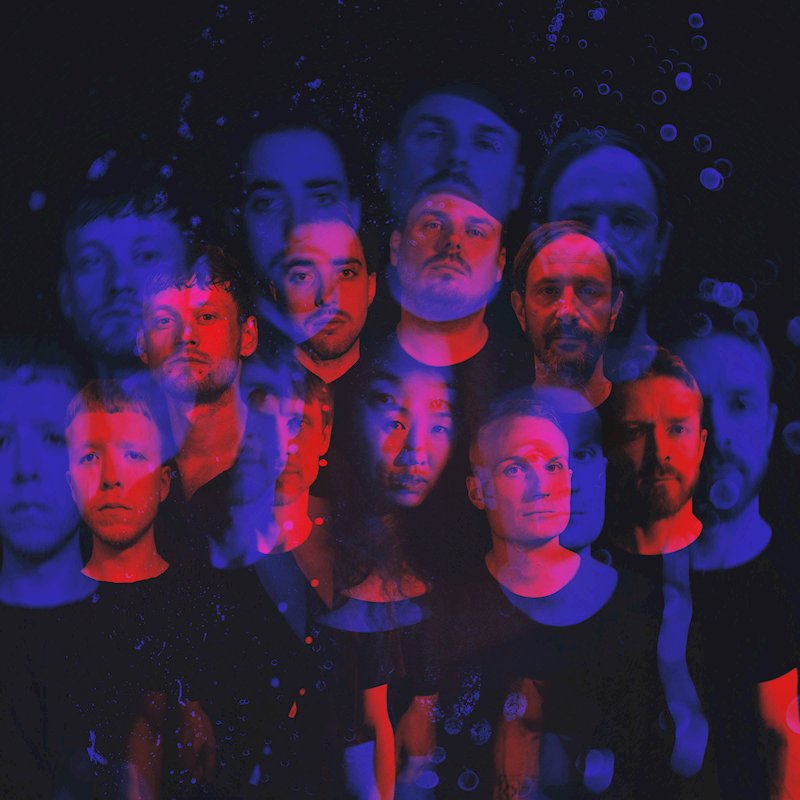
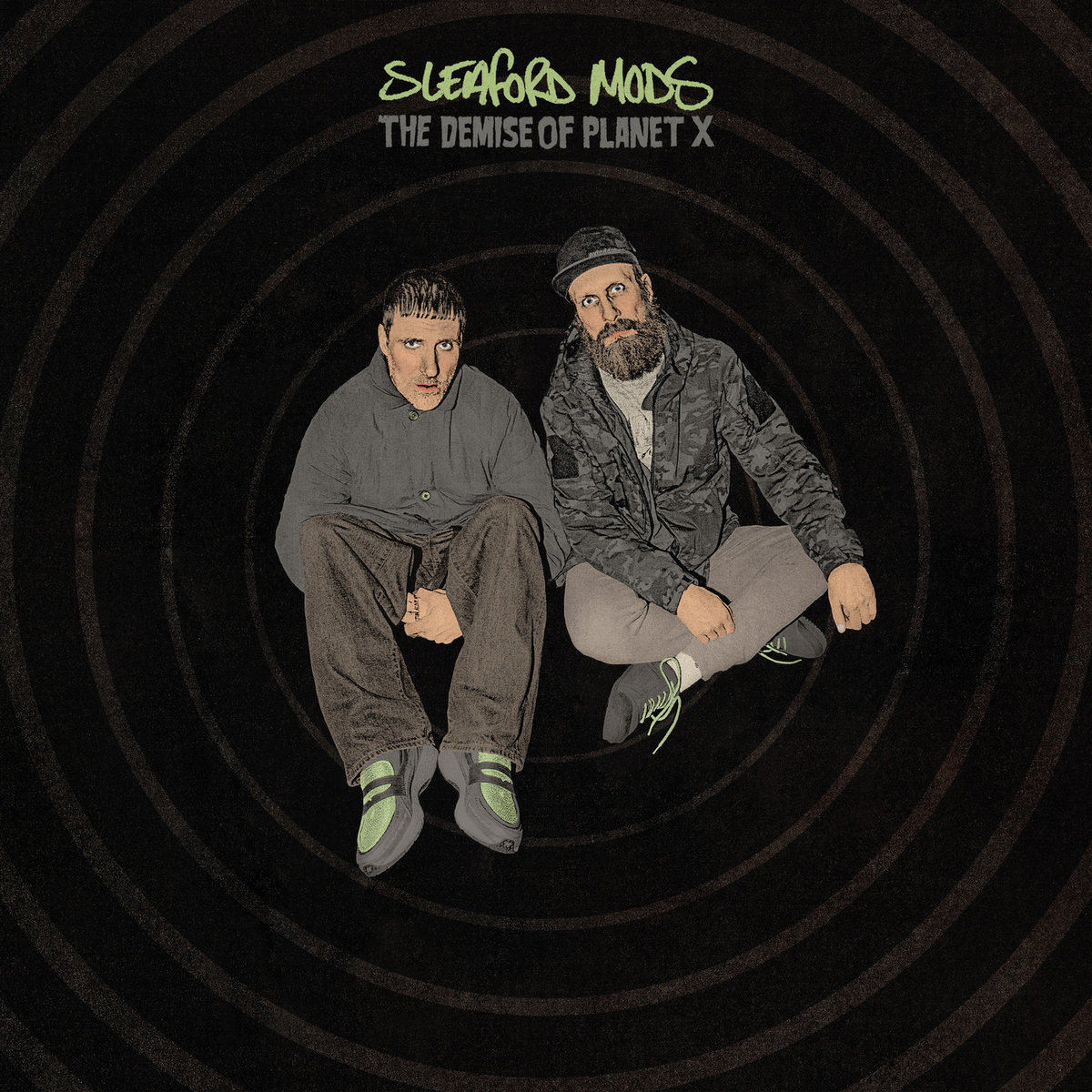
Sleaford Mods return with The Demise of Planet X, released via Rough Trade, a record that doesn’t imagine the end of the world, it documents it in real time. Bleak, biting, and often darkly funny, the album captures a society running on fumes. You know you’re in for an honest ride.
It was probably the end of January when I caught Jason Williamson on the BV Podcast! Always interesting to hear the vocal half of Nottingham’s Post-Punk/Electro-Punk duo, because you know you’re in for something honest. The interview starts like this:
Bill Pearis: “SM tends to release albums early in the year. Do you all like being early out of the gate?” Jason W: “Yeah, gives you a good chance to get into the top ten in the album charts. (chuckles)” BP: “(chuckles) Is that right?” JW: “Yeah, fucking big time…”
You know, that type of blunt honesty. These folks hustled to get where they are and they ain’t no pretenders! They have something to say, and that’s what makes Jason so interesting for interviews in my opinion!
Anyways, I could go on about that, but let me talk a little bit more about the music. Still, listen to the interview, it’s very interesting. They also talk about music influences like the Pistols, the Specials, and Jason’s role in Game, Geoff Barrow’s film.
A hypnotic bass line with synthesized drum beats by Andrew, “The Good Life” triumphs as the opening track, and it comes as no surprise. You get what you expect from the Mods on top of their Post-Punk vibes: a Lydon-like angst, lots of explicit words, and maybe a wee irony, if not cynicism. Among the album’s dominant theme is social fatigue, and you can feel, between the tension build-up and the song’s melancholy, that the title might be a bit ironic - “Good life” yeah, really?
What surprised me especially is that there are a lot of special features, which bring an interesting tone with beautiful melodies, something you’re not used to with Sleaford Mods.
It’s a 13-song album, so I won’t go into all the details of each song, but a few really caught my attention, and “No Touch” is one of them. It features singer Sue Tompkins, whom I didn’t know, I was almost sure it was Björk before seeing the name. When invited to join the recording, she said: “Just listening to what Jason sent me initially, the feeling there was some sort of sadness or longing or intimacy or regret, just very emotive to me.”
That’s exactly how she portrays the emotion — it’s fragile and vulnerable. A very strong piece of the album in my opinion. Meanwhile, Jason said that “the song explores the murky exploits of drug use, the kind of exhibitionism that goes along with it.”
“Bad Santa” is the following song. At first, I didn’t like the beat much, it sounded like a cheap Hip-Hop loop. But the more time you take to explore the song, the more you discover: xylophone, flutes, strange percussive sounds that may portray a shooting. And just as only Jason can do, his vocal delivery carries you into places full of paradoxes. The musical landscape feels peaceful, but there’s something deeper underneath. It’s fragile and violent at the same time.
That duality is one of the strongest elements of the album. Nothing is ever straightforward. A track can feel catchy but carry something deeply cynical. A line can sound aggressive but come from a place of exhaustion rather than anger. There’s always this sense of imbalance, and it keeps you slightly on edge.
The song “Gina Was” also stands out as one of my favorites, with Spoken Word poetry at the beginning. It’s not something everyone will appreciate, but it’s definitely something I LOVE. It forces you to focus, like the artist is telling you: “Look, there is nothing more than words here, so listen.”
Andrew’s production stays minimal throughout. He doesn’t try to overcomplicate things, and it’s typical Sleaford Mods. The beats loop, repeat, and lock you in. It’s hypnotic. You’re not really following traditional song structures, you’re sitting inside a mood. And that repetition becomes part of the message.
There are also two features among the last four songs. I felt as if it was starting to become a bit repetitive, so I appreciated those moments. Although, I have to say, Liam Bailey’s chorus reminded me a bit of Dee Dee Ramone’s singing and kind of made me laugh a little … but well let’s call it iconic… ;)
In the end, The Demise of Planet X is a solid record, and even though I think I’d still stick with UK GRIM if I had to choose only one of the Mods’ albums, the new record sharpens what they already do constantly while allowing small moments of evolution to come through. It’s raw, direct, and sometimes uncomfortable.