The stunning new album by Damokles is a macabre dance with death, it hits with power and beauty.
It’s quite hard to be objective when it comes to reviewing an album from a band which we here at Veil of Sound have quite a close connection to, having interviewed them, premiered their songs and gotten to know the members quite well. Do I become overly critical to balance out the overwhelming feeling of generosity at play due to the fact the members are all great guys? Well, no, not at all, I always write what I feel about an album regardless, so not to worry dear reader, this is an honest review. Mind you, it really does help that the album is utterly brilliant! But I’ll get to that.
First things first, most of what you hear comes from the mind of vocalist Gøren Karlsvik and is loosely based around a serial killer. He’s also written a well-received book on the history of the death penalty in Norway, but the thing is, you don’t need to know or care about any of that if the music is all you are interested in, which is also fine. It’s sometimes nice to know a bit of backstory though, I personally find it helps me contextualise and appreciate whatever album I happen to be listening to a bit more, but hey, that’s just like, my opinion man. Right, on with the show.
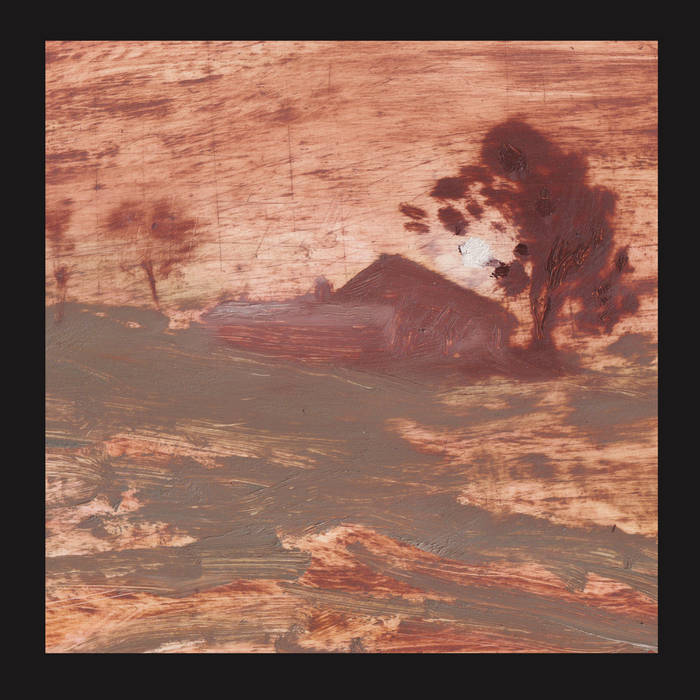
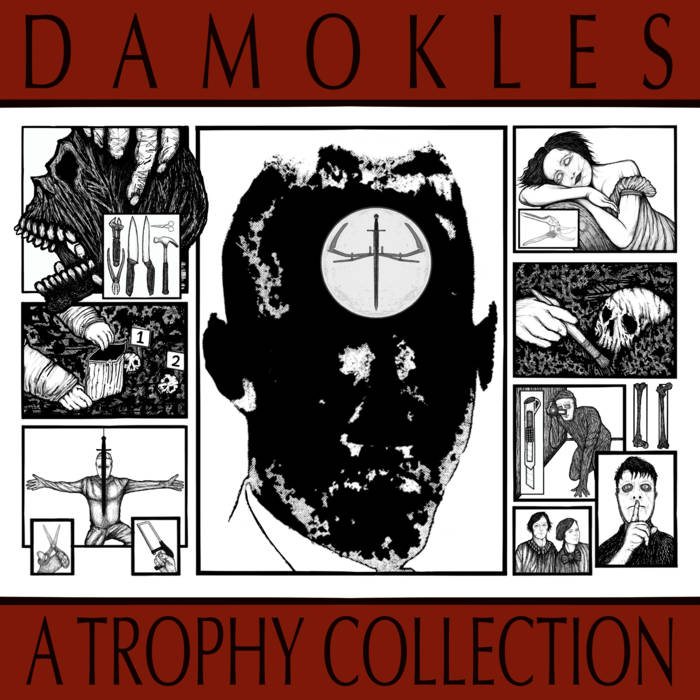
There is something strangely ceremonial about A Trophy Collection. The title alone suggests a cabinet of relics, polished achievements frozen in time, but Damokles do not present these pieces as inert artefacts. Instead, the record feels alive with tension, like a gallery where every exhibit is quietly vibrating beneath the glass.
From the opening moments, the album establishes an atmosphere that sits somewhere between grandeur and unease. The band clearly understands that weight is not merely a function of distortion or volume. Rather, it emerges through patience, and the persistent feeling that the music is slowly tilting toward something catastrophic. The result is a soundscape that feels less like a sequence of songs and more like an exhibit of macabre artworks, the title completely skewers the atmosphere and ambition present on this album.
Vocally, the pained performance has a sense of distance in the delivery, as if the narrator is observing the unfolding drama from somewhere just outside it. This detachment lends the album a reflective quality, reinforcing the idea that these “trophies” are memories, scars, or perhaps victories that have long since lost their clarity, always driven by the backdrop of that most appallingly captivating subject: the serial killer.
Instrumentally, the record thrives on texture. The band have come a long way from their Indie Rock roots and blossomed into a more rounded force, drawing from feelings and textures as much as anything else. Guitars often function less as melodic leaders and more as environmental forces, drones, swells, and shimmering fragments that shape the emotional temperature of each piece. The rhythm section anchors everything with a patient but unyielding pulse, grounding the more ethereal moments.
This restraint gives the album a sense of narrative cohesion, as though each track is another chapter in a meditation on ambition, loss, and the strange aftertaste of triumph. By the time the record reaches its closing moments, we’ve delved into the psyche of our protagonist and come out feeling unwashed, sullied by the close proximity to their whims and befoulment. These trophies do not shine. They carry a heavy weight. They remind us that every debased act has a long shadow attached to it.
This album is less about the lighter side of humanity, and more about its flip-side, its reflection. Damokles invite the listener not to admire the prizes, but to consider the cost of acquiring them. And it is precisely in that quiet, uneasy contemplation that the album finds its lasting power. A simply intoxicating album.