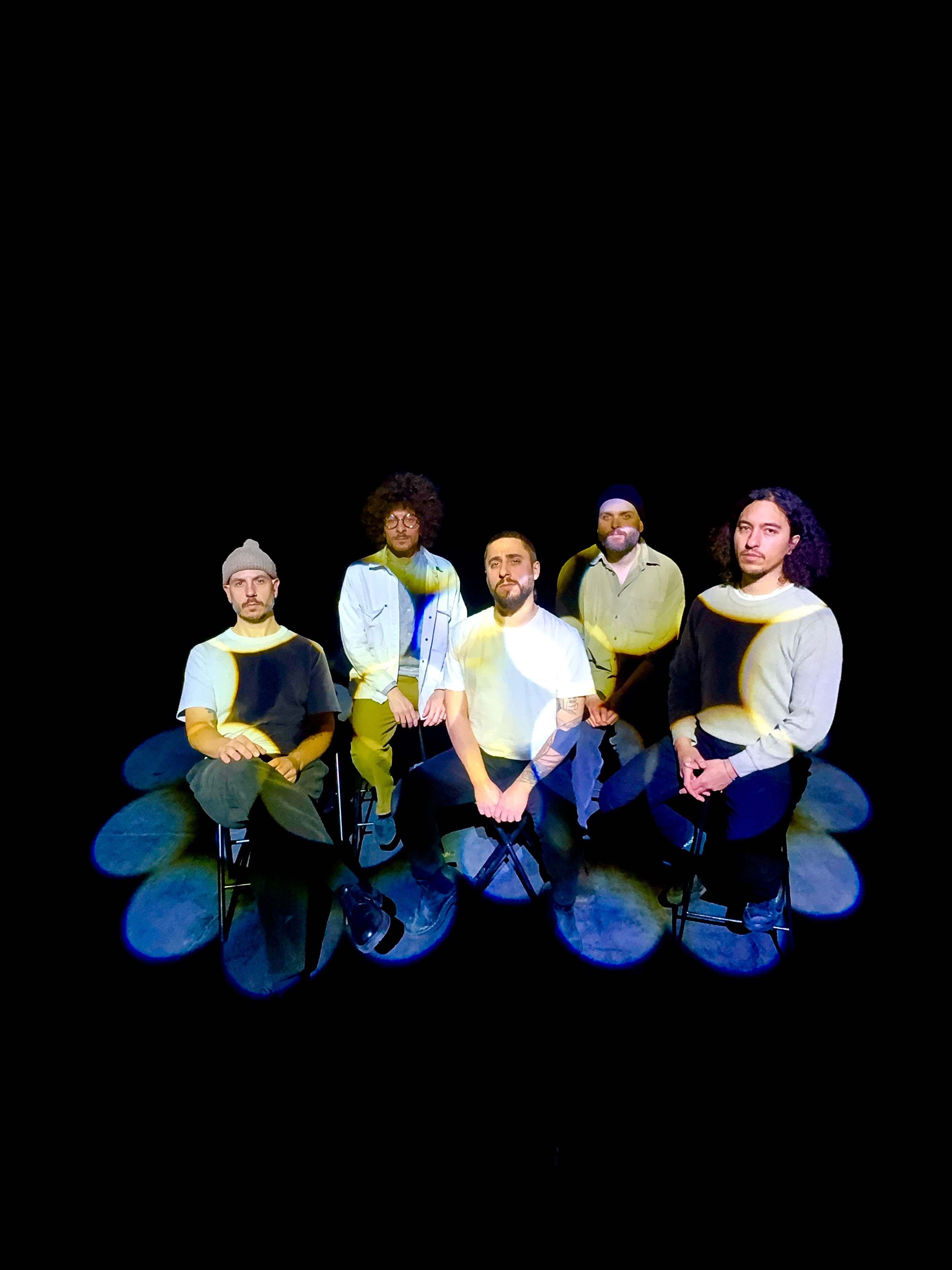
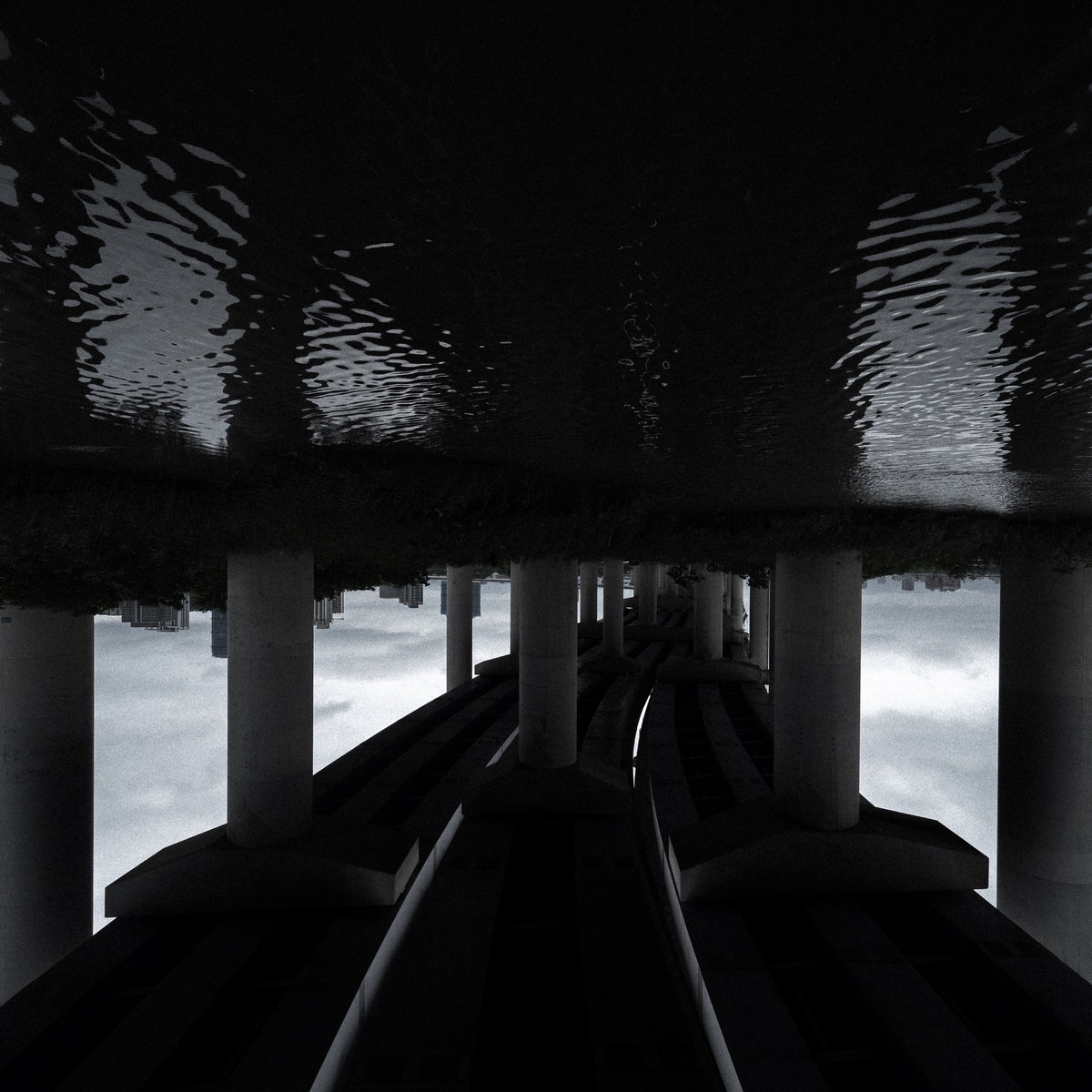
There are certain cities that teach you how to listen before they ever let you sing. Taipei is one of them. Its nights hum in neon minor keys: scooters like hi-hats across wet asphalt, temple bells as distant sub-bass, election vans barking slogans that smear into tape-warped mantras. In that restless frequency spectrum between incense and the LCD glare, 破地獄 / Scattered Purgatory have spent a decade refining a language of ritual and slow-motion melody that never quite belonged to any single genre, any single nation, any single afterlife.
Post Purgatory — their first work after a three-year silence — is less an album title than a diagnosis. The name they chose back in 2013 came from a Taoist ritual for expiating souls unjustly trapped between worlds. This time they have turned that ceremony inward: what happens after the purgatory is scattered, after the smoke clears and the city remains, louder than ever? What does the band become when the liminal space they once occupied has itself been gentrified by algorithms?
The record answers with an ornate noir sensibility — a sound that is as decorative as it is dark, as intricate as a lacquer box hidden in a rain-slicked alley. This is a breakthrough in Trip-Hop and world-bent Electronica precisely because it refuses to wear either tag as a costume. Instead, Lu Li-Yang and Lu Jiachi treat those histories like old neighborhoods you can still cut through if you know where the fences are low. The Bristol legacy is here — the sense that rhythm can be both weapon and womb — but folded into Taipei’s multilingual grain.
“緊牙地獄 — Atata Naraka” opens like the credits to a film that began long before you pressed play. The Scattered Purgatory of Lost Ethnography of the Miscanthus Ocean is still recognizable, yet now the drones arrive with teeth. White Wu’s drums demand narrative, while Minyen Hsieh’s tenor saxophone streaks across the mix like a flare on an overcast shoreline. It is “Doom Metal” only in the sense that Doom itself has acquired a sequencer and a fondness for late-night New Jack Swing deep cuts.
The mystery here is not just a mood; it is a structural commitment to the shadows. “無奈 — Wunai” drifts in on a beat that never quite resolves into boom-bap, circling the word “helplessness” in orbit after orbit. The lyrics — scattered across Hokkien and Mandarin — speak of a bed where someone once slept, a dog barking at frost-white windows. It understands that in a city where geopolitical headlines roll in like typhoons, the most radical emotion can be the small, stubborn act of saying: I still don’t know what to do with myself.
If Trip-Hop in the ’90s was about urban ennui under late-capitalist decay, Post Purgatory lives as an updated story for a world after globalization’s hangover. Here, “world music” is not curated exoticism, but the lived, dissonant simultaneity of scrolling through news about military exercises while a neighbor blasts a Mandopop ballad. Scattered Purgatory don’t sample that reality; they live in it. You can hear it in “風之腦 — Ephemeral Mind”, where the rhythm section thuds on, indifferent to the death of belief.
The album’s centerpiece, “月之下 — Moonquake”, is where the stylized sensual dusk reaches its peak. Dotzio’s vocal feels beamed in from a parallel universe, sliding between English and Mandarin. The beat is a marvel of subtle engineering: kick and bass lock into something that could have been a club track, but here they float in a weightless halo of reverb. It is elemental, unshackled from dub’s strict lineage, rerooted in Taipei’s own colonial palimpsest.
Post Purgatory is a statement of re-empowerment. It sketches a route for how small scenes can make work that is fully global without dissolving into generic wallpaper. It offers a soundtrack for learning how to live after the verdict, in the unpredictable light of a future that remains unwritten but no longer unscored. In this embroidered darkness, Scattered Purgatory have found a new, fragile freedom.