In the last years, we’ve seen the rise of many artists from a part of the world who are often not considered on a par with others, due to a perception that never corresponds to reality. With Wahj Toni Geitani challenges these stereotypes by releasing an album that pushes boundaries with its sound.
Listening to music can let us travel without moving (as Jamiroquai said) to places we’ve never been, or wake up sleeping memories. Soundscapes are powerful compositions that can make you imagine a story, like reading a book. While listening to Wahj, you are taken on a voyage to places that you don’t know.
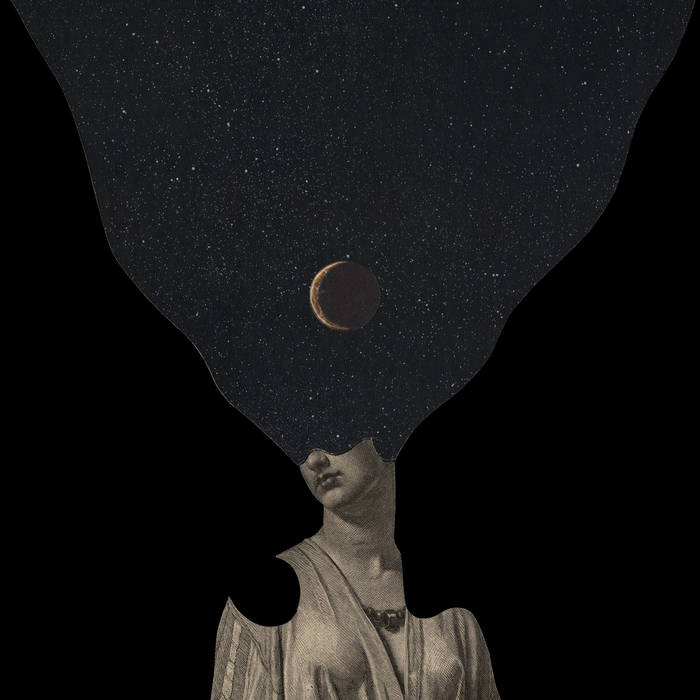
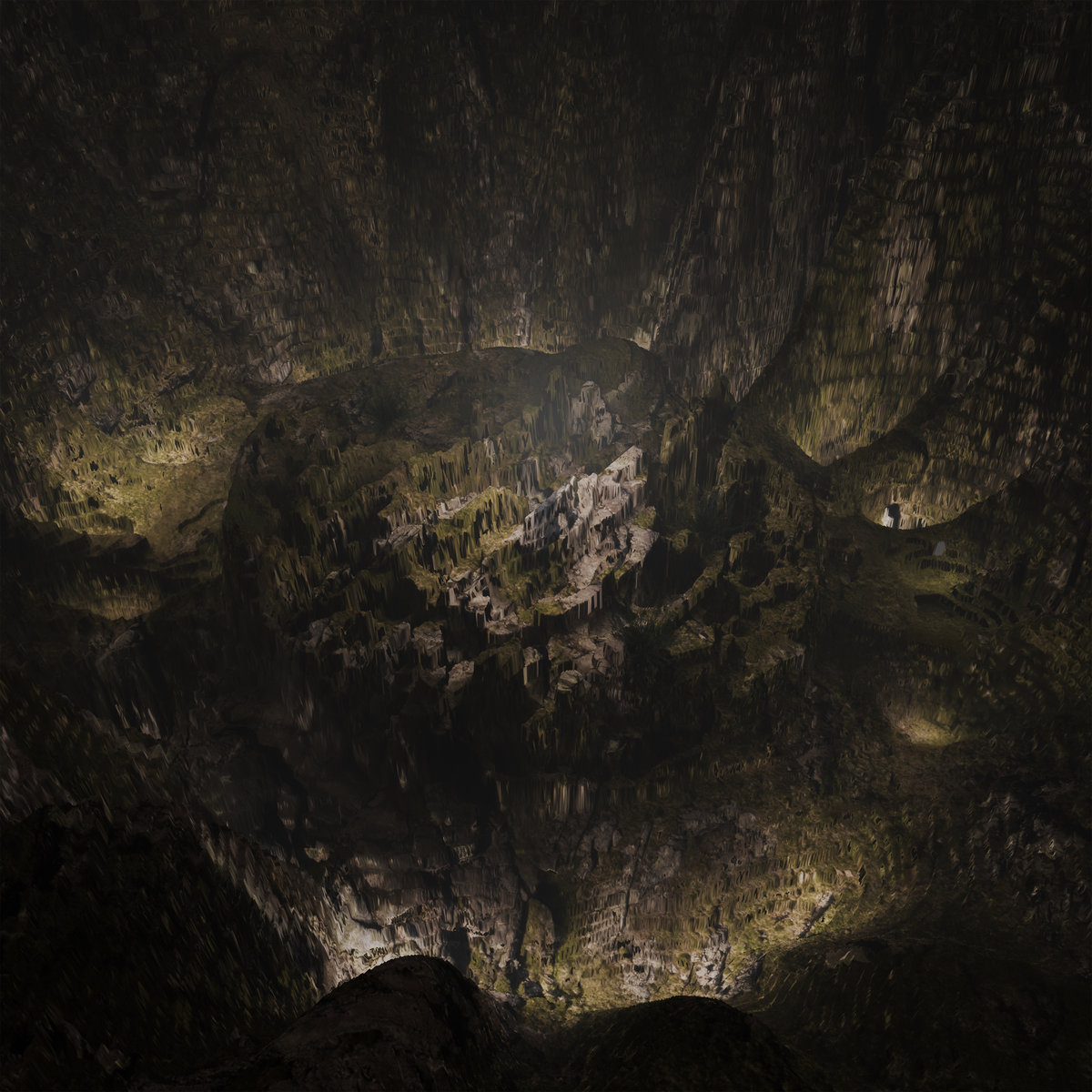
Toni Geitani is an Amsterdam-based composer, sound designer and filmmaker; class of ‘92, born in Beirut, and he released his second full-length on January 30. This record, as the artist navigates an expansive artistic landscape, takes the listener on a journey transgressing the boundaries of music.
This record is built with a cinematographic logic, but also has an engaging sound that is capable of keeping our attention always. During the first part of the album we hear melancholic atmospheres and something that reminds us Industrial music, while the second half has more vocals and resembles more of a regular song logic in the construction.
The style of his music is a fusion of Maqam (a system of modal harmonies in the traditional Arab music), Layālī (a style of singing derived from Maqam), industrial Electronics, Ambient, Techno and even some Jazz moments. The use of synthesizers with samples from the land of his ancestors creates a blend that captures the audience in a climax, from a quiet ambient, passing from static chaos and closing with a growing tension.
Wahj is an album about what remains after a catastrophe. The artist reflects on memories, collapse and survival, referring to post-war Lebanon and to the Eastern Mediterranean region in general; also, the sampling used on this record as a memory: vocal fragments emerge in various parts of the album, creating a sonic universe clearly recognizable.
If you’re searching for easy listening, this is not the case; this album needs time to be discovered. In its 75 minutes, we’re taken through the visions the artist wants us to see, know and understand. Toni Geitani is not definable as a traditional producer: as I mentioned before, his songwriting approaches a cinematographic style that reminds me more of a “sonic director”. Wahj is part of the recent wave of Arab Electronic music, and Geitani is one of the Arab diaspora artists that merges contemporary sound design with the traditions of their birthplaces.
In the end, we can say that this is a great record to approach the Experimental Electronic scene; with strong connections to his roots, Geitani released a record that explores ruin and memory, but also a glimmer of hope that never disappears. I suggest to listen to this record at least twice, and give it more attention, in order to catch all the details as if you were watching a movie.