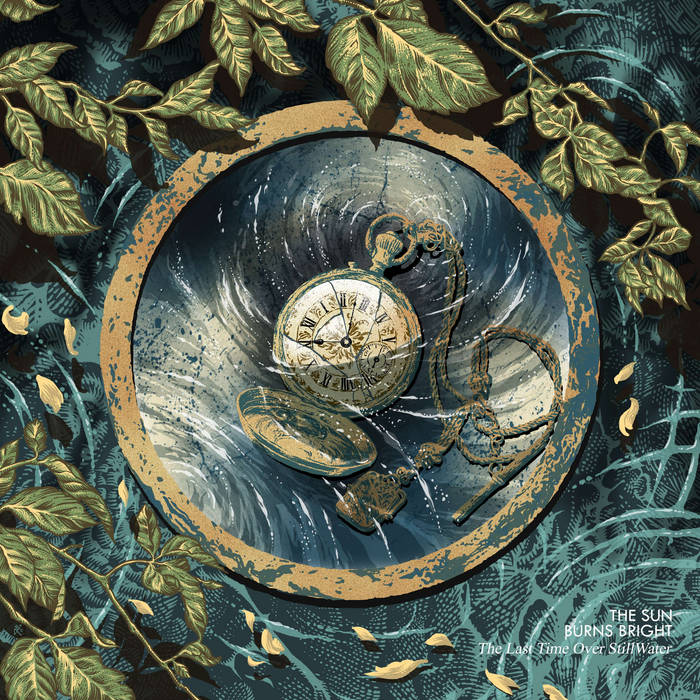
This year began like the previous ended – with an excellent Post-Rock album released on the first day of 2026. Last year ended with Baulta´s wonderful release, and this year started with a delightful new release from The Sun Burns Bright. What a way to begin the year for Post-Rock fans!
In these dark times, it is a relief to get an album that contains what I would call caring music to get immersed in. Their sixth release since 2018 develops the musical stems from the previous ones. This time on, the album’s music in between the swells and surges is delicate and tender. It is, in fact, a comfortable, inspiring, and emotional 50-minute musical journey through the finest and most engaging melodic themes and sometimes, in the crescendos, it’s very cinematic. Even in the distorted parts, there is a translucent, mellow sense to every note.
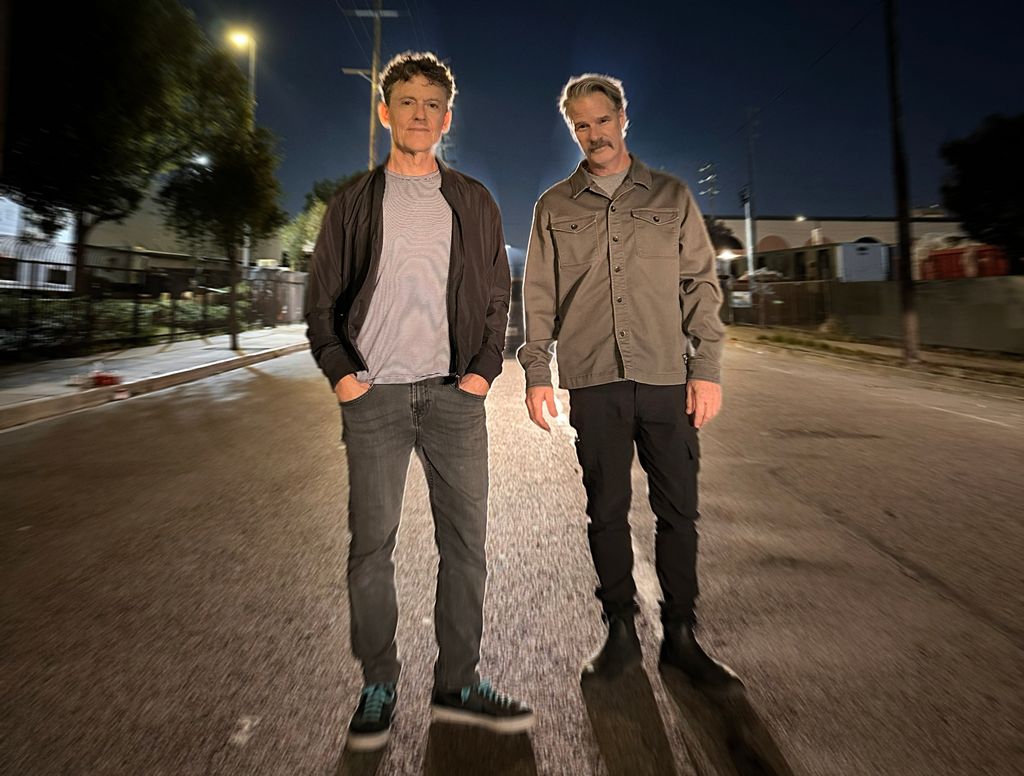
The musical mastermind behind the band´s music is Chris Garr, who composes and handles all the guitars, including the low-end bass, which on many occasions leads the layered guitars through the musical themes. He is joined, like on the previous two albums, by Chad Rush, who carefully handles the pace and percussion to push and lead the music forward, joined by the melodic bass guitar. The songs are as for the past albums, relatively long – six to nine minutes, and thus allowing the musician to develop and interweave the ideas.
Because this is what happens on this album, the different guitar sounds from tender plucking, high-pitched tremolos, and fuzzy and distorted parts are woven together to make a whole that is utterly engaging. Each track is orchestrated around the guitars and their melodic themes. Sometimes they play along with each other, other times one breaks out in a high-pitched tremolo flying like a flock of birds crossing a lake, and eventually softly land in a field at the end of the journey. It is immaculately well done throughout the album. Other times, the guitar swirls and after a while, pans out with mellow plucking on the strings. And then there are the building of the crescendo parts, especially the last minutes of the album´s title song. After delicate string plucking, a distorted tremolo guitar begins to swirl, surging from low-end tones to higher-pitched, forming urging melodies until it disappears. Then the flowing music is joined by a fuzzy guitar, initiating a cascading and layered crescendo led by a higher-pitched guitar soaring above the denser ones, it is swelling and swelling and extremely emotional as the best Post-Rock crescendos are. A very fitting end to an engaging album.
But before we come to that end, we have been through an emotional journey with cinematic parts that are often meditative and reflective. We meet the highly creative orchestration on the first track, “Moon Phase”: Delicate dark guitar sounds open the track, sliding slowly forward. Then we get a plucking on clean strings while the drums begin a delicate rhythm when the guitars seem to be searching for a chord to start the musical adventures that this album will take the listener on. In the sonics, a fuzzy bass appears before the music reaches higher with a tremolo guitar, and the rhythm gets faster. The guitar soars in the soundscape and captures the listener in its melodic discharges. Different guitars float in and out of the expansive sonics until they simmer down. It is perfectly orchestrated with the different guitars and rhythm in its layers; a flawless example of how the whole is more than the sum of its parts. This is also certain for the musical expansiveness of the album.
A nice feat meets us on the second track, “Oxbow Lake”, where the guitars are joined by a soft saxophone that is immaculately immersed in the guitar sounds. With the sound of that sax, the music becomes meditative in all its beauty, becoming a bit bigger before simmering down. Then distorted guitars pan out on each side of the saxophone, and the impassioned musical flow is intensified.
Light sound effects fade in, followed by plucking on one guitar and strumming on another, opening the track “We Are Stars, We Are Dust”. It is soft and gentle, and because of the title, I cannot help thinking of the tender way Joni Mitchell performed her own song, ”Woodstock” (1969) that has the phrase, “We are stardust / Billion year old carbon”. For yours truly, this could be the epigraph for the exquisite Post-Rock music Chris Garr has created on this album, which is yet another pinnacle in a string of good albums from his creative well.